

-
Download
Certificate Query
Certificate Query

 2026/9/17 16:50:13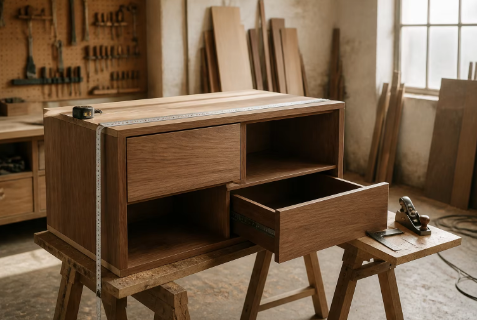
Hospitality contractors and importers of hotel furniture ask these five questions when a design calls for something the standard range cannot deliver. The answers define what counts as genuinely custom rather than adapted, what minimum order applies to a custom run, when tooling or setup charges are justified, how a finish is matched to furniture already installed in the hotel, and how much customisation adds to lead time.
If the item uses existing frames, standard hardware and a catalogue size, it is adapted, not custom — even when the finish and fabric differ. Genuinely custom means the dimensions, geometry or construction are produced for this project: a non-standard depth to clear a duct, a fixed headboard width between two wall returns, or a casegood built around a specific appliance. The distinction matters commercially, because adapted items carry no tooling and shorter lead times.
Factories set a minimum because a custom run needs a dedicated setup, cutting list and finishing batch regardless of quantity. On hospitality work the floor is usually expressed in pieces or room sets rather than single units; a bespoke casegood may need a minimum in the tens to justify the setup, while a custom upholstered piece on a standard frame can start lower. Ask what the minimum is per item, not per order.
A setup charge is reasonable when the project needs a new mould, die, jig or CNC programme that cannot be reused. It is questionable when the factory is charging for standard pattern work, a colour match, or a first article that any new product would need. Ask for the charge to be itemised and, where tooling is genuinely new, ask who owns it and whether it can be reused on a later order.
Cut a physical sample from an inconspicuous part of the existing furniture, or take a whole drawer or shelf panel, and send it to the factory rather than a photograph. Photographs fail because lighting, white balance and screen calibration all shift colour. Once the factory proposes a match, compare the new panel against the original under the same light and at the same angle, and confirm the sheen as well as the colour.
Customisation adds time in three places: drawing approval, first-article or finish sampling, and the reserved production slot. A finish match or a size change can add a few weeks; a new geometry with its own jig adds more, and the sampling round is often the longest single step because it stops until the buyer responds. Freezing drawings early and approving samples without delay is the most effective way to keep the added time small.
Bottom line: Custom furniture costs and delays come from setup and sampling, so brief the drawing, the finish and the quantity together.




Copyright www.hzfgfurniture.com. All Rights Reserved. 浙ICP备2026006019号
