

-
Download
Certificate Query
Certificate Query

 2026/9/17 16:48:28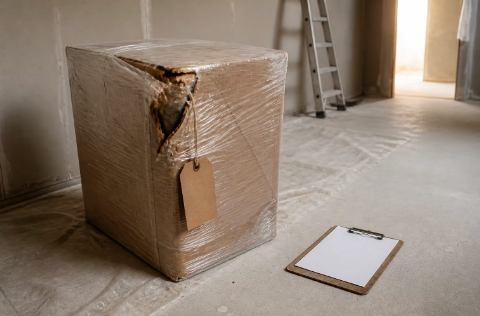
Hotel FF&E procurement firms and hotel operators raise these five questions once furniture is in service rather than on order. The answers cover how a contract-grade warranty differs from a residential one, what is typically covered and excluded, how quickly a replacement can be supplied mid-project, who installs it, and how arriving defects should be documented so a claim can actually be supported.
A contract warranty is written around commercial use: continuous occupancy, daily housekeeping chemicals, luggage dragged across surfaces and hundreds of users a week. It usually runs longer than a residential term, covers the frame and structural components rather than only defects visible on delivery, and assumes the product will be maintained commercially. It also assumes a project owner or operator will raise claims in writing through a procurement channel, not through a retail returns process.
Cover normally includes structural failure of frames and joints, delamination, hardware breakage under normal use, and finish defects appearing within an agreed early period. Exclusions commonly list wear items — upholstery fading, foam softening, castors and glides — plus damage from cleaning agents outside the approved list. Improper installation, overloading and damage caused by guests or other trades are also excluded. Read the exclusion list before purchase, because on hotel work those categories produce most claims.
It depends on whether the item was built to a custom drawing or drawn from a standard range. A standard-range chair or table can often ship from stock or a short production run within a few weeks. A bespoke casegood with a matched finish and a specific size may need a dedicated run, and the finish must be checked against the reserve panel or it will stand out in the room. Keep a spare parts allowance to cover the difference.
Replacement supply and replacement installation are usually separate obligations. A supplier delivers to site or to a nominated warehouse; installing and connecting the item normally sits with the contractor or the operator, unless installation supervision formed part of the original order. Where a replacement must fit an existing built-in condition, agree in advance who carries the labour cost. Clarify this at contract stage, because it causes more disputes than the replacement itself.
Record defects at receiving, not at installation. Photograph the damage against the carton label and the packing list, note the room or batch it was allocated to, and log it on a single register with a date and a reference number. Keep damaged packaging until the claim is settled. Reporting through email threads alone loses the audit trail, and claims raised weeks after delivery are much harder to support with a manufacturer.
Bottom line: A warranty is only as useful as the documentation behind it: written exclusions, recorded defects and a spare parts allowance.




Copyright www.hzfgfurniture.com. All Rights Reserved. 浙ICP备2026006019号
