

-
Download
Certificate Query
Certificate Query

 2026/9/4 17:24:52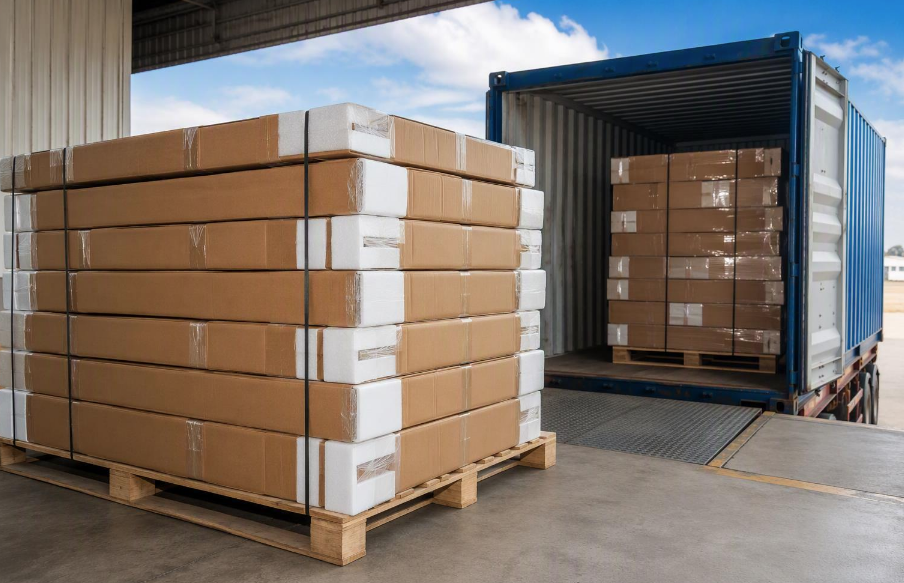
Importing sofas is a different game from importing most furniture. Sofas are large, relatively light for their volume, vulnerable to damage in transit and subject to specific regulatory requirements in many markets. Get the details right and importing is straightforward; miss them and costs multiply quickly.
Buyers who import successfully treat packaging, compliance and logistics as core parts of the product decision — not afterthoughts to be handled later.
Sofas are damaged in transit more often than almost any other furniture category. Quality export packaging is the first defense:
Full protection. Corner guards, foam and cardboard layers protect vulnerable corners and arms where most damage occurs.
Flat-pack and modular designs reduce package size and damage risk while simplifying warehouse handling and home delivery.
Customs-friendly packaging. Cartons that are clearly labeled, uniform and easy to inspect speed both customs and delivery.
Verify before shipping. Ask for packaging specifications and photos — and check packaging quality at pre-shipment inspection.
Freight cost for sofas is driven by space, not weight:
Know your CBM. Calculate the cubic meters each sofa occupies and how many units fit a container — this determines your true freight cost per unit.
Compare knockdown vs assembled. Sofas that ship unassembled or in modular sections pack far more units per container, cutting freight cost significantly.
Ask for a loading plan. A good factory provides container loading plans showing exactly how many units ship and how they are arranged.
Consider FCL vs LCL. Full container loads give lower per-unit freight for consistent volume; LCL suits trial orders but costs more per unit.
Sofa regulations differ by market and change over time — verify current requirements for your destination:
Flammability. Upholstered seating is regulated in many markets (for example, flammability standards in North America and elsewhere). Confirm your supplier's materials and documentation meet the rules where you sell.
Materials and labeling. Some markets require disclosure of filling materials, country of origin and care labeling.
Restricted substances. Furniture sold to regulated markets may need to demonstrate compliance with chemical restrictions — ask your supplier for supporting test reports.
Ask early. Compliance questions should be raised at sampling stage, not when the container is at sea.
Plan lead times with buffer. Production plus ocean freight plus customs clearance takes weeks — order well ahead of your selling season.
Inspect before shipment. Pre-shipment inspection verifies quantity, quality and packaging while the factory can still fix problems.
Insure your cargo. Marine insurance covers the transit risks that packaging cannot.
Keep spares. Order spare cushions or covers with your shipment for local replacement needs.
Importing sofas profitably is about controlling the details — packaging, cubic meters, compliance and lead time. Our sofa factory exports worldwide with export-grade packaging, loading plans and compliance documentation. Contact us to plan your import program.




Copyright www.hzfgfurniture.com. All Rights Reserved. 浙ICP备2026006019号
