

-
Download
Certificate Query
Certificate Query

 2026/10/10 16:44:26
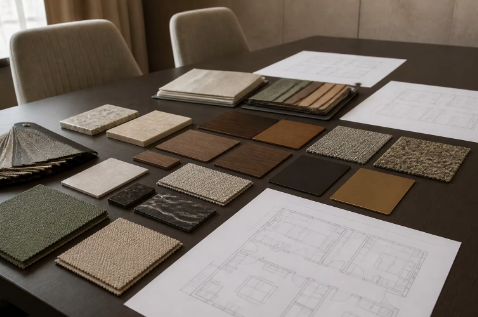
In most hotel projects the party funding the FF&E and the party operating the property are different, and both normally hold approval rights. That split lengthens the hotel FF&E approval cycle: brand standards, owner budget and operator preference pull in different directions, and sign-off, rather than the furniture, becomes the schedule risk.
Owners carry the cost, operators carry the brand, and both usually must approve the furniture package. Brand standards set finish families and proportions; the owner's budget caps what is spendable; the operator's preference reflects how the property will actually run. Those three rarely align at once, so a single item can bounce between reviewers. Approval cycles stretch across procurement teams, designers and brand representatives, and change orders often arrive after production has been planned.
For suppliers, the risk is not the furniture but the delay around it. A late decision stalls production slots, pushes shipping dates and can trigger storage or rework costs. Quotes that ignore approval time look attractive on paper but rarely hold. For buyers, the same split means communication has to run through more parties, and an item agreed in one meeting can be reopened in the next. Documenting who approved what, per room type, keeps the project moving and protects both sides.
Treat approval as part of the lead time, not a formality that happens alongside it.
Confirm early who actually signs: owner, operator, brand or a delegated representative.
Build approval time into the quoted lead time so the promised date reflects reality.
Document decisions by room type, so a later change can be traced to its source.
Freeze the package before production slots are reserved.
What to watch: Watch how much approval time sits inside the promised lead time, because a date that ignores the owner-operator review cycle is the first thing to slip when the project starts.




Copyright www.hzfgfurniture.com. All Rights Reserved. 浙ICP备2026006019号
