

-
Download
Certificate Query
Certificate Query

 2026/9/29 17:20:21
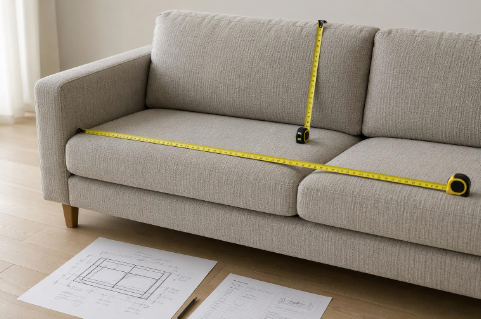
Furniture is made, not printed. Upholstered products in particular vary slightly from unit to unit, and importing magnifies the consequences of small differences: returns, claims, misdescribed listings and packing surprises.
The solution is a specification precise enough to measure against, and a tolerance agreed in writing.
Ambiguity is the enemy here. Define exactly how each dimension is measured:
Overall width, depth and height — outside faces, with cushions fitted and settled.
Seat height measured at the front edge, from floor to uncompressed surface.
Seat depth from the front edge to the backrest across the seat.
Arm height and back height measured at defined reference points.
With or without cushions, and whether measurements are taken on a compressed or relaxed seat.
Carton dimensions and weight as well as the product, since these drive freight and handling.
Upholstered items vary more than wood or metal furniture; agree a written range rather than assuming an exact figure.
Prioritise dimensions — decide which ones are critical for your market (fit-through-doorway, retail floor plan, freight cube) and allow more flexibility on the rest.
State the reference sample. A golden sample measured and signed by both parties removes most dispute potential.
Confirm the measurement method in the specification sheet so both sides measure the same way.
Review tolerance at sample stage, when adjustments are still cheap.
Prevents fit failures — doorways, lifts and stairwells claim more sofas than wear does.
Keeps freight planning accurate, since packing volumes are calculated from carton dimensions.
Protects retail accuracy, where listed dimensions are a customer-service issue.
Reduces claims and returns, the most expensive way to discover a dimension problem.
We supply dimensioned drawings, a measured golden sample and carton data with every sofa quotation. Send us your target dimensions and we will confirm what is achievable before tooling.




Copyright www.hzfgfurniture.com. All Rights Reserved. 浙ICP备2026006019号
